
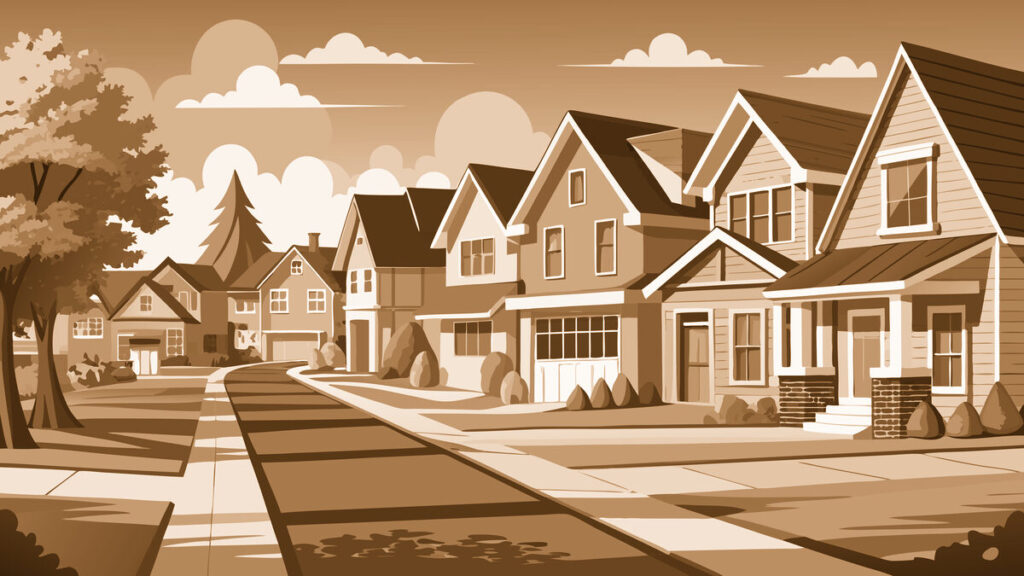
Nestled just three miles south of downtown Indianapolis, the Garfield Park neighborhood is a living canvas of Hoosier history, community pride, and natural beauty. For more than a century, winding tree-lined avenues, historic homes, and a beloved park have defined life here—where neighbors greet each other by name and celebrate a legacy rooted in civic spirit.
The Origins of Garfield Park
Garfield Park’s story goes back to the 1870s, as Indianapolis began expanding beyond its mile square core. In 1876, the City of Indianapolis purchased 98 acres of farm land south of Raymond Street to establish its first public park. Originally named “Southern Park,” it drew city dwellers seeking escape from downtown’s urban bustle. Within a few years, the city expanded the park to 128 acres, laying the foundation for the neighborhood’s growth.
The park received its current name in 1881, honoring James A. Garfield, the 20th President of the United States, just months after his assassination. This gesture reflected nationwide mourning—but also a local hope that a beautiful green space could inspire community resilience and pride.
Building a Neighborhood: Streets, Homes, and Institutions
By the early 1900s, easy access to downtown via the interurban trolley line on Shelby Street transformed Garfield Park into a desirable suburb. Stately American Four Square and Craftsman bungalows sprang up on Pleasant Run Parkway, South Park Avenue, and Pagoda Drive, giving the neighborhood its distinctive early 20th-century charm.
As you stroll along the historic boulevards, you’ll spot landmarks like the Garfield Christian Church (founded 1887) and former neighborhood schools such as Manual High School, which fostered the area’s community spirit.
- Bates-Hendricks and Fountain Square border Garfield Park to the north, but this neighborhood carved its unique identity through accessible green space and welcoming porches facing the park.
Milestones: From Conservatories to Community
The century saw many highlights—each threading Garfield Park deeper into the city’s story.
- 1908: Garfield Park Conservatory opens, filled with lush palms, ferns, and orchids, becoming a year-round oasis for residents.
- 1916: The Sunken Gardens—designed by celebrated landscape architect George Kessler—debut, offering graceful geometries, lily ponds, and extravagant floral displays. These gardens, with their European flair, remain a prime photo spot across generations.
- 1922: Garfield Park Amphitheater is built, introducing open-air concerts and plays, a tradition that continues today with “Summer Concerts at the MacAllister Amphitheater.”
- 1930s: The New Deal era brings WPA enhancements—stone bridges and picnic shelters that still add historic character to the park.
Throughout the decades, Garfield Park became a beloved destination—not just for locals, but for visitors from across Indianapolis. The park’s pool, tennis courts, and extensive trails along Pleasant Run Parkway thrummed with activity.
Notable Landmarks and Architecture
Historic architecture is a signature feature of the Garfield Park neighborhood. Along the curved drives near the Conservatory, early-20th-century houses display wide porches, leaded glass, and intricate brickwork—a reminder of the craftsmanship of a bygone era.
- Garfield Park Conservatory: Rebuilt in the 1950s following a fire, today’s Conservatory continues to wow with rotating exhibits and thousands of plants.
- Sunken Gardens: Meticulously restored, the gardens’ walkways and fountains sparkle in the summer sun, while seasonal floral displays provide a changing backdrop.
- The Community Center: Located at 2345 Pagoda Drive, this hub hosts neighborhood meetings, art classes, and special events.
You’ll also find a scattering of whimsical “Little Free Libraries,” public art installations, and lovingly restored vintage storefronts along Shelby Street, each telling the neighborhood’s ongoing story.
Evolution Through the Decades
Garfield Park has weathered the same changes as the rest of Indianapolis—booms, busts, suburban flight, and urban renewal. Yet, its residents have always banded together to protect what makes it special.
During the postwar boom, families flocked to the neighborhood, attracted by solid homes, a remarkable park, and a tight-knit feel. As the city shifted in the late 20th century, the neighborhood experienced challenges but rallied through the efforts of neighborhood associations and “Friends of Garfield Park.”
In recent years, Garfield Park has enjoyed renewed interest. Young homeowners and longtime residents alike have joined forces to restore vintage homes and champion the park as a hub for events—like the Garfield Shakespeare Company’s annual performances and the Garfield Park Farmers Market on Saturday mornings.
Today’s Garfield Park: A Community on the Rise
Walk the blocks around Raymond and Shelby Streets today, and you’ll find a vibrant blend of old and new:
- *Charming bungalows stand alongside modern renovations*
- *Local coffee shops, bakeries, and cafes offer new gathering spaces*
- *Seasonal festivals, outdoor yoga, and charity 5Ks keep the park lively year-round*
Garfield Park’s diversity, affordability, and location—minutes from downtown, yet peaceful and green—draw a mix of artists, families, retirees, and entrepreneurs. The neighborhood’s “Porch Parties,” annual chili cook-offs, and park celebrations are legendary, making it easy for newcomers to feel at home.
Why Garfield Park Endures
Ask any longtime resident, and they’ll share stories: childhoods spent splashing in the pool, family picnics beneath the century-old trees, impromptu neighborhood block parties, or nights spent under the stars at the MacAllister Amphitheater. What makes Garfield Park special is not just its history, but the active, caring community that continues to shape its future.
With roots deep in the past and eyes on the future, Garfield Park remains one of Indianapolis’s most cherished neighborhoods—a living testament to the power of parks, people, and place.